Introduction
Reiki, a Japanese recovery method that originated in the early 20th century, has gotten appeal worldwide for its capability to promote physical and psychological well-being. At the heart of Reiki practice lies the concept of chakras, which are energy centers situated throughout the body. In this article, we will delve into the world of chakras and check out how they can be balanced through Reiki to achieve optimal wellness.
What are Chakras?
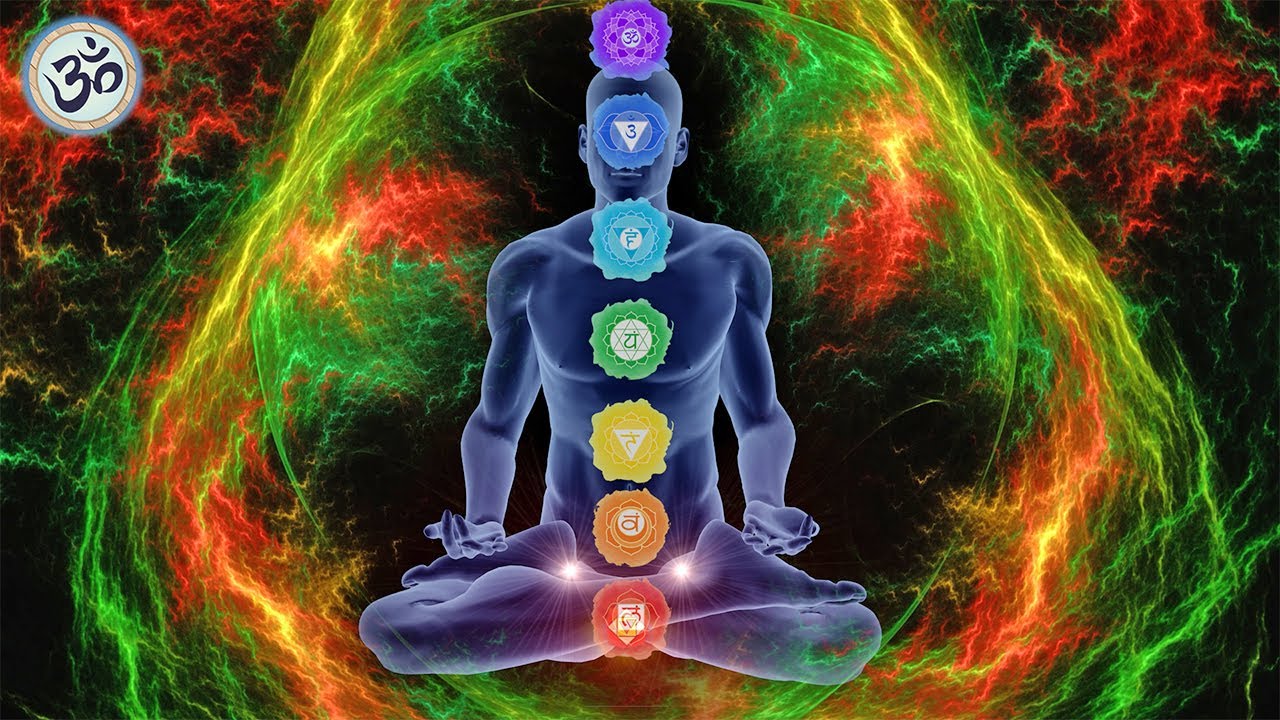
Chakras are spinning wheels or vortexes of energy that exist within our subtle body. They are believed to be adjoined with our physical, mental, and psychological wellness. There are seven primary chakras lined up along the spine, each related to specific organs, feelings, and aspects of life.
Root Chakra: Structure and Stability
The Root Chakra, likewise Mastering Sei Hei Ki referred to as Muladhara, lies at the base of the spine. It represents our foundation and provides a sense of stability and security. When this chakra is balanced, we feel grounded and linked to the earth.
Sacral Chakra: Imagination and Sensuality
The Sacral Chakra, referred to as Svadhisthana, is positioned simply below the navel. It governs our imagination, sensuality, and psychological wellness. When this chakra is in harmony, we experience a healthy circulation of energy in our relationships and creative endeavors.

Solar Plexus Chakra: Personal Power
The Solar Plexus Chakra, Manipura in Sanskrit, lies above the navel. It relates to our personal power and self-confidence. When this chakra is balanced, we feel great and empowered to take on challenges.
Heart Chakra: Love and Compassion
The Heart Chakra, Anahata in Sanskrit, resides in the center of the chest. It is related to love, empathy, and emotional recovery. When this chakra is open, we are able to give and receive love freely.
Throat Chakra: Interaction and Expression
The Throat Chakra, Vishuddha in Sanskrit, is positioned at the base of the throat. It governs our ability to communicate and reveal ourselves authentically. When this chakra is balanced, we speak our fact with clarity and confidence.
Third Eye Chakra: Instinct and Insight
The Pineal Eye Chakra, Ajna in Sanskrit, lies in between the eyebrows. It represents our intuition, insight, and inner wisdom. When this chakra is open, we have actually an increased sense of understanding and clarity.
Crown Chakra: Spiritual Connection
The Crown Chakra, Sahasrara in Sanskrit, lies at the top of the head. It connects us to higher awareness and spirituality. When this chakra is balanced, we experience a deep sense of peace and spiritual connection.
Reiki and Chakras: A Harmonious Union
Reiki professionals think that imbalances or clogs in the chakras can cause numerous physical, emotional, and spiritual conditions. By carrying universal energy through their hands, Reiki practitioners aim to restore balance to the chakras and promote overall well-being.
Reiki Hand Positions for Stabilizing Chakras
During a Reiki session focused on stabilizing the chakras, a professional may use specific hand positions on or near the body representing each chakra. These hand positions assist assist in the flow of energy and motivate healing.
Root Chakra: Place hands on the lower back or hold them just above the pelvic area. Sacral Chakra: Position hands just listed below the navel or somewhat above it. Solar Plexus Chakra: Rest hands on the upper abdomen or somewhat above it. Heart Chakra: Place hands on the center of the chest or somewhat above it. Throat Chakra: Position hands on the throat or just listed below it. Third Eye Chakra: Rest hands gently on the forehead, in between the eyebrows. Crown Chakra: Place hands gently on top of the head.Reiki Signs and Chakras
Reiki symbols are sacred and powerful signs utilized by professionals to enhance their recovery capabilities. Each symbol carries its own special energy and can be utilized in conjunction with Reiki hand positions to balance the chakras.
Cho Ku Rei: This sign is connected with power and protection. It can be utilized to reinforce and cleanse any chakra. Sei He Ki: Called the mental-emotional sign, Sei He Ki assists recover psychological injuries and promote balance in the heart and throat chakras. Hon Sha Ze Sho Nen: The range healing symbol, Hon Sha Ze Sho Nen, can be used to send Reiki energy to past injuries or far-off locations associated with any chakra. Dai Ko Myo: This sign represents knowledge and spiritual connection. It can be used to trigger and balance the crown chakra.A Quick History of Reiki
Reiki was established by Mikao Usui, a Japanese Buddhist monk, in the early 20th century. Usui found this healing strategy during a spiritual retreat on Mount Kurama in Japan. Since then, Reiki has actually spread out around the world, evolving into various branches and interpretations.
The Energy of Reiki: How it Works
Understanding Energy Healing
Energy recovery is based upon the belief that everything in the universe is comprised of energy. When our energy becomes imbalanced or obstructed, it can manifest as physical or psychological conditions. Energy healing techniques, Reiki healing such as Reiki, objective to restore balance and promote well-being by channeling universal energy.
The Reiki Attunement Process
In order to practice Reiki, individuals should go through a procedure called attunement. Throughout an attunement, a Reiki Master moves the capability to transport Reiki energy to the trainee. This process opens the trainee's energetic pathways and allows them to get in touch with universal life force energy.
Different Levels of Reiki
Reiki is divided into different levels, each structure upon the previous one and deepening the professional's connection to the energy. The most frequently recognized levels of Reiki are:
Reiki Level 1: At this level, trainees discover the fundamental hand positions and strategies for self-healing and healing others. Reiki Level 2: Trainees get additional symbols and methods that boost their healing abilities. They also discover distance healing techniques. Reiki Level 3 (Master/Teacher) : This level is for those who wish to end up being Reiki Masters and teach others. It involves additional attunements and thorough knowledge of Reiki principles.The Science Behind Reiki Energy
While the scientific understanding of how Reiki works is still progressing, there have been numerous research studies performed that suggest its effectiveness in promoting relaxation and decreasing stress. Some theories propose that Reiki may affect the free nerve system, which manages physical functions such as heart rate, high blood pressure, and digestion.
Frequently Asked Concerns about Chakras in Reiki
Q1: What is the role of chakras in Reiki?
A1: Chakras play an important role in Reiki as they are thought to be key energy centers within our bodies. Balancing these chakras through Reiki assists promote physical, emotional, and spiritual well-being.
Q2: Can Reiki heal imbalances in the chakras?
A2: Yes, Reiki can help recover imbalances in the chakras by carrying universal energy and getting rid of obstructions. This promotes a healthy circulation of energy and brings back balance.
Q3: How can I tell if my chakras are imbalanced?
A3: Imbalances in the chakras can manifest in various ways, consisting of physical symptoms, emotional disturbances, and a sense of sensation disconnected. Consulting with a Reiki practitioner can assist identify particular imbalances.
Q4: Can I balance my own chakras with Reiki?
A4: Definitely! Reiki can be practiced on oneself to stabilize the chakras. Learning self-healing strategies from a qualified Reiki practitioner can empower individuals to take charge of their own well-being.

Q5: For how long does it require to stabilize the chakras with Reiki?
A5: The time it requires to balance the chakras with Reiki differs from person to person. It depends on the person's energetic state, determination to recover, and dedication to routine practice.
Q6: Is it required to think in chakras for Reiki to work?
A6: Belief is not a prerequisite for experiencing the benefits of Reiki. The energy streams no matter one's beliefs. However, having an open mind and willingness to check out one's own energy can improve the recovery process.
Conclusion
Exploring the chakras in Reiki is a journey towards optimal health and self-discovery. By understanding and dealing with these energy centers, we can accomplish balance and consistency in our physical, psychological, and spiritual lives. Whether you choose to get Reiki treatments or find out how to practice it yourself, the potential for change awaits as you dive into the world of chakra balancing through Reiki.